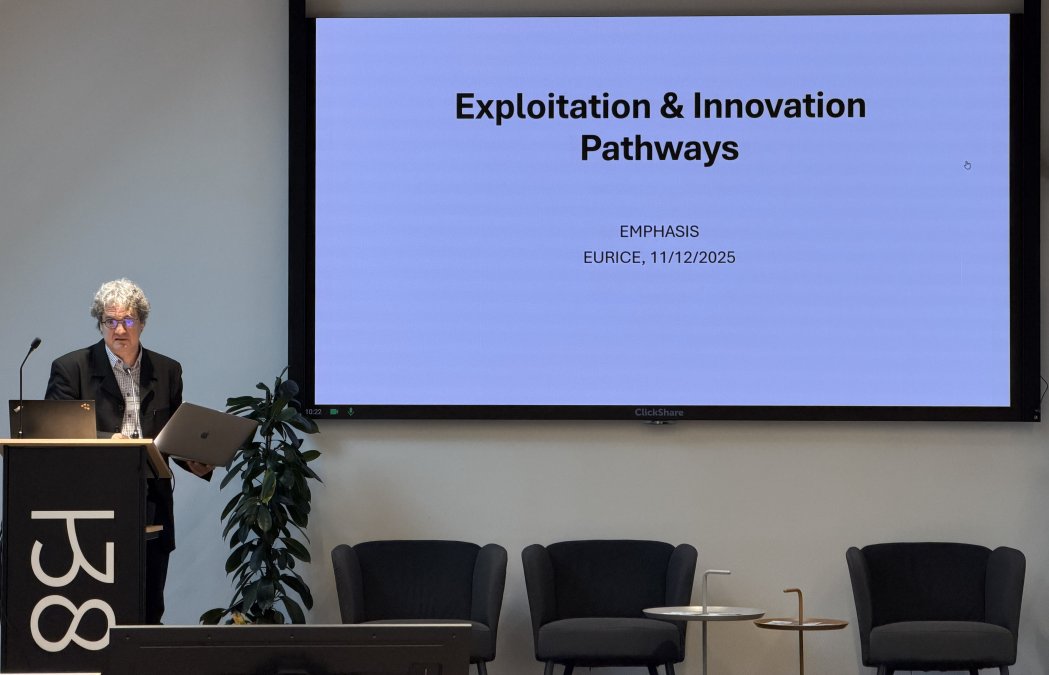
EMPHASIS project concludes with breakthrough sustainable supercapacitor technologies for smart textiles and electromobility
Brussels, December 2025 — The EU-funded EMPHASIS project has successfully concluded, delivering a new generation of sustainable, high-performance supercapacitor technologies designed for applications ranging from smart textiles to electromobility systems.
Over the course of the project, the EMPHASIS consortium developed and demonstrated a fully integrated, sustainable-by-design supercapacitor value chain, combining bio-based materials, green manufacturing processes, advanced cell architectures, and intelligent energy management systems. The project directly supports European ambitions under the EU Green Deal and SET Plan, while reducing dependence on critical raw materials and strengthening Europe’s energy resilience.
From green materials to working demonstrators
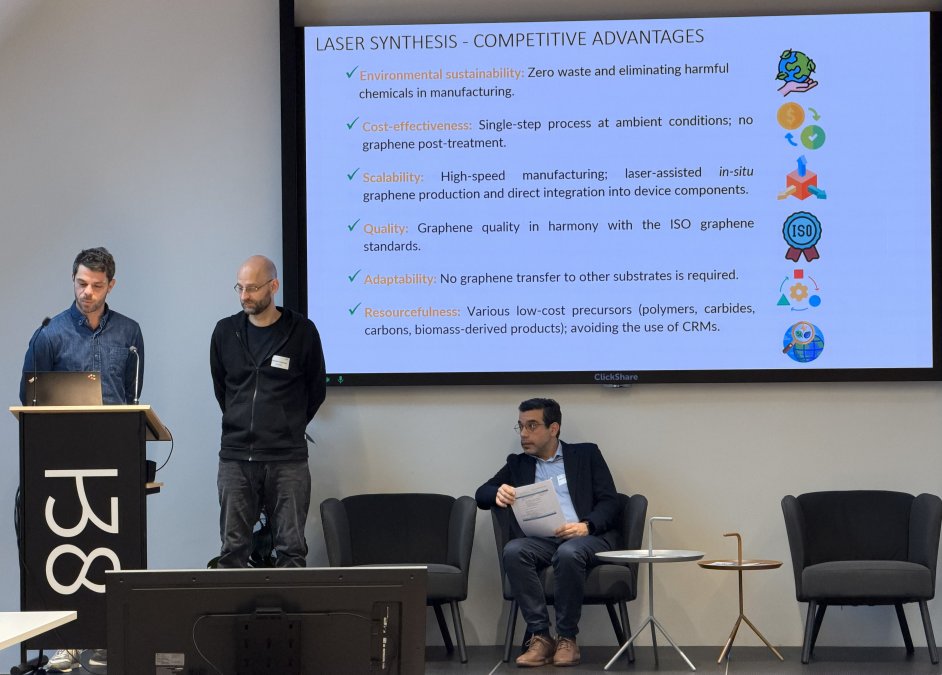
At the materials level, EMPHASIS achieved a major milestone by developing bio-based electrode materials, metal-free current collectors, and high-voltage ionic liquid electrolytes with validated recycling routes. These materials were produced using scalable, industrially relevant processes, including laser-assisted electrode fabrication and pilot-scale wet-laid carbon current collectors.
Advanced modelling and metrology frameworks were implemented across the project to accelerate development, ensure reproducibility, and enable harmonised performance assessment of supercapacitor materials and cells. Life cycle assessment and cost modelling confirmed significant eco-efficiency gains of around 30%, alongside clear environmental and social benefits once scaled.
Functional supercapacitor cells and energy management systems
The project successfully integrated the developed materials into fully functional supercapacitor pouch cells, including configurations with no metallic current collectors, contributing to lower weight, improved sustainability, and reduced reliance on critical raw materials.
In parallel, EMPHASIS developed innovative energy management systems (EMS) tailored to two real-world use cases:
- Automotive systems, where supercapacitors support hybrid fuel cell–battery architectures under realistic load profiles.
- Smart clothing, where flexible supercapacitors provide short-term high-power energy for emergency communication modules in wearable safety applications.
Both demonstrators were manufactured, integrated, and tested successfully, with supercapacitors operating reliably under full-cycle and pulsed current conditions.
Key achievements at a glance
- Delivery of a fully sustainable supercapacitor materials platform using bio-based carbons and green electrolytes
- Demonstration of scalable manufacturing processes compatible with industrial production
- Successful integration into automotive and smart textile demonstrators
- Validation of advanced metrology, modelling, and quality control methods
- Strong foundations for European value chains and SME-driven innovation
A foundation for future European energy storage solutions
By combining sustainability, performance, and industrial readiness, EMPHASIS has advanced supercapacitor technology to TRL 5–6 in key areas and laid the groundwork for future commercial exploitation. The project has also generated a substantial body of scientific, technological, and exploitation results, including publications, intellectual property, and business pathways.
As Europe accelerates its transition toward cleaner, safer, and more resilient energy systems, the outcomes of EMPHASIS provide a concrete blueprint for how sustainable energy storage technologies can move from laboratory innovation to real-world impact.